Sunil Lamsal Biography: Early Life, Age, Personal Life, Career & Education
Sunil Lamsal Biography
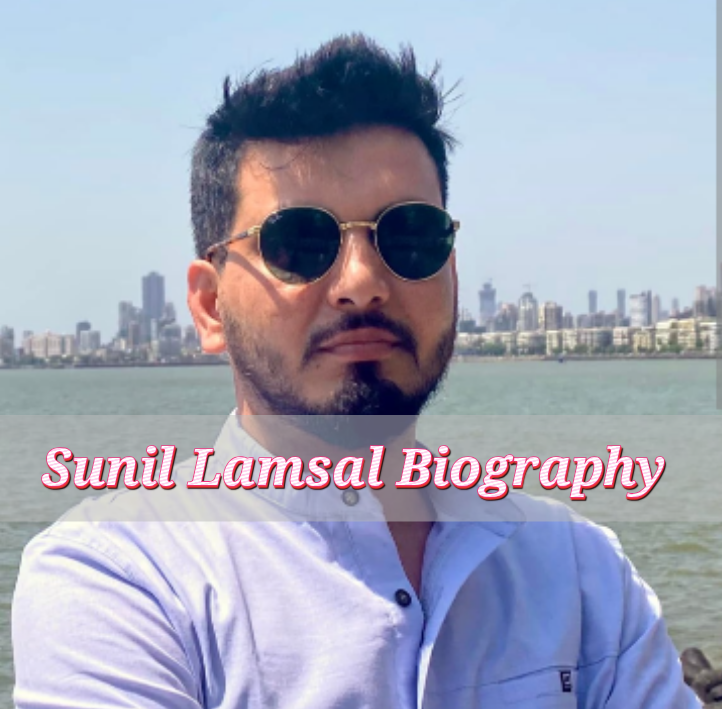
Sunil Lamsal is a 35 year old civil engineer from Nepal who has become a key figure in politics. He serves as the Minister of Physical Infrastructure, Transport, and Urban Development in the new government led by Prime Minister Balendra Shah. People often ask who Sunil Lamsal is because he moved from engineering projects to helping run Kathmandu city and then winning a big election seat.
Born in a modest family in the hills, he later lived in the plains area of Rupandehi. His background in structural engineering and solid waste management gives him practical skills for solving Nepal’s infrastructure problems. In this article you will learn about his early life, education, career, personal details, and recent appointments in simple words. This helps readers understand how a young engineer entered national politics and what he may bring to large scale development work.
Advertisements
Sunil Lamsal Early Life and Family Background
Sunil Lamsal was born on October 4, 1990, which is Ashoj 18, 2047 in the Nepali calendar. His birthplace is Birgha in Kaligandaki Rural Municipality of Syangja district. He grew up as the middle of three sons of father Bodhraj Lamsal and mother Jamuna Lamsal.
His family came from a simple hill background. In 2052 BS, when he was young, they moved to the Rupandehi area in the Tarai plains. Since then he has lived in Tilottama Municipality ward 7, Bhalwari. This move let him experience both hill and plain lifestyles.
He completed his early school education in the Bhalbari area of Rupandehi. From a young age he showed interest in mathematics and science subjects. His family background taught him practical values and the importance of steady work. These early years shaped his focus on real development needs rather than just theory.
Living in two different parts of Nepal helped him see the gaps in roads, waste systems, and basic services. This understanding later guided his work in engineering and politics.
Sunil Lamsal Education
Sunil Lamsal built a strong education base in engineering. He earned his bachelor’s degree in civil engineering from Lumbini Engineering College in Tilottama, Rupandehi.
Advertisements
After that he went to India for higher studies. He completed a master’s degree in structural engineering from Nitte Meenakshi Institute of Technology.
He is now pursuing a PhD in solid waste management at Kathmandu University. This topic is important for Nepal because many cities face garbage and environmental issues.
During his student days he took part in campus politics. He joined the All Nepal National Free Students Union, which is close to CPN UML ideas at that time. He even got elected as campus president on that ticket.
His education gives him technical knowledge in building design, structural safety, and waste handling. These skills make him different from many other leaders who do not have engineering training. Readers can see how his studies directly connect to the big ministry he now leads.
Sunil Lamsal Career
Before full time politics Sunil Lamsal worked as a professional civil and structural engineer. He was involved with Crown Design and Research Center, where he focused on design, supervision, and infrastructure planning.
He contributed to several national projects. These include the reconstruction of Bhairahawa and Pokhara international airports, work on Singha Durbar, model schools in 35 districts, and district hospitals in 12 districts.
His expertise covers structural engineering, urban planning, and environment related consultation. He gained real experience in managing large construction tasks and solving practical problems on site.
A major part of his career came after the 2022 local elections. He served as an infrastructure and environment advisor in the secretariat of Kathmandu Mayor Balendra Shah, also known as Balen Shah. In this role he handled solid waste management, urban planning reforms, and efforts to reduce traffic problems.
He treated waste not just as a cleanliness issue but as a matter linked to public health, environment balance, and long term planning. His work in Kathmandu gave him hands on experience in city level governance. This period built his reputation as someone who can turn engineering knowledge into actual improvements.
Later he joined the Rastriya Swatantra Party and rose to the position of General Secretary. This step moved him from advisor to national level politician.
Sunil Lamsal Personal Life
Sunil Lamsal keeps most details of his personal life private. Available public records do not share information about his marital status or family beyond his parents and brothers. He lives with his family in Tilottama Municipality of Rupandehi.
He focuses his public image on professional work and development goals rather than personal stories. This approach matches many young leaders who want voters to judge them on skills and results instead of private matters.
Sunil Lamsal Appointments
Sunil Lamsal entered national politics through the Rastriya Swatantra Party. In the general elections held on March 5, 2026 he contested from Rupandehi 1 constituency. He won with a strong margin of 54,845 votes. The nearest rival from Nepali Congress got 11,982 votes, and the candidate from Rastriya Prajatantra Party received 8,301 votes. This victory showed clear voter support for his development focused campaign.
After the election the Rastriya Swatantra Party formed the government with Balendra Shah as Prime Minister. On March 27, 2026 Sunil Lamsal took oath as Minister of Physical Infrastructure, Transport, and Urban Development. He also handles responsibilities related to urban development.
This ministry manages a large budget and many important projects such as roads, railways, airports, and city planning across Nepal. As a 35 year old engineer he is one of the younger ministers in the cabinet. His appointment reflects a shift toward leaders with technical backgrounds in key development roles.
He assumed office on the same day after taking the oath of office and secrecy. Public expectations are high because of his past work in Kathmandu and his engineering expertise.
Conclusion
Sunil Lamsal’s journey shows how education in engineering can lead to leadership in politics and governance. From a modest family in Syangja and Rupandehi he built technical skills through studies in Nepal and India. He applied those skills in national projects and city level work under Mayor Balendra Shah.
His landslide win in Rupandehi 1 and quick appointment as minister in March 2026 mark an important step. Nepal faces big challenges in infrastructure, transport, waste management, and urban growth. Leaders like Sunil Lamsal bring practical knowledge that can help address these issues with science based planning.
FAQs
Who is Sunil Lamsal?
Sunil Lamsal is a 35 year old civil engineer and politician from Nepal. He serves as the Minister of Physical Infrastructure, Transport, and Urban Development. He won the 2026 election from Rupandehi 1 on the Rastriya Swatantra Party ticket and previously advised on infrastructure in Kathmandu Metropolitan City.
How old is Sunil Lamsal?
Sunil Lamsal is 35 years old. He was born on October 4, 1990.
Which political party does Sunil Lamsal belong to?
He belongs to the Rastriya Swatantra Party. He holds the position of General Secretary in the party.
What is Sunil Lamsal’s educational background?
He holds a bachelor’s degree in civil engineering from Lumbini Engineering College in Tilottama. He completed a master’s degree in structural engineering from Nitte Meenakshi Institute of Technology in India. He is currently pursuing a PhD in solid waste management at Kathmandu University.
What was Sunil Lamsal’s role with Balen Shah in Kathmandu?
He worked as an infrastructure and environment advisor in the mayor’s secretariat of Balendra Shah. He focused on solid waste management, urban planning, and efforts to improve traffic and city infrastructure.
Did Sunil Lamsal win the election in Rupandehi 1?
Yes. In the March 5, 2026 general election he won with 54,845 votes, defeating his nearest rival by a margin of over 42,000 votes.
What are Sunil Lamsal’s key achievements in infrastructure?
He contributed to reconstruction projects for Bhairahawa and Pokhara international airports, Singha Durbar, model schools in 35 districts, and district hospitals in 12 districts. In Kathmandu he helped with waste management and urban reforms as advisor.
What is Sunil Lamsal’s vision as Minister of Physical Infrastructure?
He aims to use his engineering background for better roads, transport systems, waste solutions, and planned urban development. His focus is on scientific, long term, and practical approaches to Nepal’s infrastructure needs.