Tertius Zongo Biography: Early Life, Career, Education, Age & Personal Life
Tertius Zongo Biography
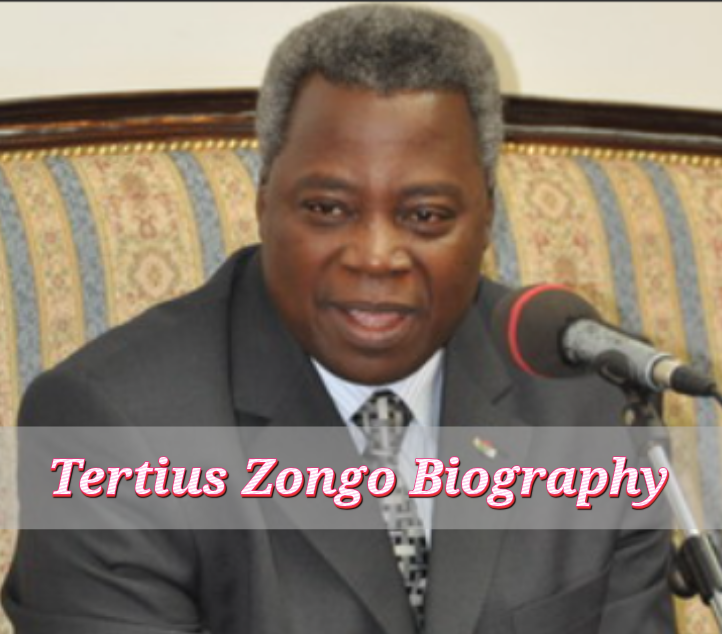
Who is Tertius Zongo? He is a key figure in the history of Burkina Faso. Born in 1957, he rose from an economist to become the Prime Minister of his country. His work focused on finance, development, and helping his nation grow. This article looks at his life and work in a simple way. It aims to teach readers about his path and what it means for Africa today.
Tertius Zongo served as Prime Minister from June 2007 to April 2011. Before that, he held many roles in government and teaching. After leaving office, he continued to work on development issues in the Sahel area. His story shows how education and hard work can lead to big changes in a country.
Advertisements
Burkina Faso is a landlocked nation in West Africa. It faces challenges like poverty and security issues. Leaders like Zongo have tried to address these problems through smart policies. Understanding his life helps us see how one person can influence a nation’s future.
In this piece, we cover his early years, education, career steps, personal details, and a wrap up. We also answer common questions at the end. All facts come from reliable sources, like official records from 2007 to 2024.
Zongo’s journey started in a small town. It grew to include international roles. His focus on economics helped Burkina Faso connect with global partners. For example, he worked with groups like the World Bank and IMF. These ties brought aid and ideas to his country.
Today, Zongo advises on Sahel challenges. The Sahel is a region south of the Sahara Desert. It deals with drought, conflict, and growth needs. His current work builds on his past experience. Readers can learn from his example about leadership in tough times.
This article uses easy words and short sentences. It avoids complex terms. When needed, it explains ideas simply. The goal is to make learning fun and clear for everyone.
Advertisements
Tertius Zongo Early Life and Education
Tertius Zongo was born on May 18, 1957. His birthplace was Koudougou, in what was then Upper Volta. Today, that country is known as Burkina Faso. Koudougou is a city in the center west of the nation. It is famous for its markets and cotton farms. Growing up there, Zongo saw the daily life of a farming community. This likely shaped his interest in helping people through better money management.
Little is known about his family or childhood days. Public records focus more on his work life. But we can guess that life in 1950s Upper Volta was hard. The area was under French rule until 1960. After freedom, it faced ups and downs in leadership. Young Zongo would have seen these changes.
For school, Zongo pursued studies in money matters. He earned a master’s degree in economic sciences. This came from the Institut d’Administration des Entreprises in France. The institute teaches business and finance skills. Going to France for higher learning was common for bright students from Africa at that time. It gave them world class knowledge to bring home.
Before or after his master’s, Zongo built skills in accounting and business. He became good at analyzing finances. This means looking at numbers to see how money flows in a group or country. His education prepared him to teach and lead.
Back in Burkina Faso, Zongo shared his knowledge. He taught at the University of Ouagadougou. This is the main university in the capital city. He covered topics like accounting, business economy, and financial analysis. Accounting is keeping track of money in and out. Business economy looks at how companies work in a market. Financial analysis checks if investments are smart.
He also taught at the Ecole Nationale des Régies Financières. This school trains people for government money jobs. His role as a professor lasted for some years. It helped train the next group of experts in Burkina Faso.
Zongo’s education path shows the value of learning abroad and at home. It mixed theory with real world use. For readers, this teaches that good schooling can open doors in government and beyond. In Africa, many leaders have similar stories. They study hard to serve their people.
His background in economics is key. Economics studies how resources are used. In poor countries like Burkina Faso, this knowledge helps fight hunger and build schools. Zongo used his learning to climb in his career. Next, we look at those steps.
To understand better, think about Burkina Faso’s setting. The country has gold and cotton as main exports. But many people farm for food only. Education like Zongo’s helps plan for better trade and aid. His early life in Koudougou tied him to these issues.
Overall, this period built the base for his success. It turned a boy from a small town into an expert ready for big roles.
Tertius Zongo Career
Tertius Zongo’s work life spans many years and roles. He started in government jobs focused on money and planning. Over time, he rose to top spots, including Prime Minister. After that, he moved to advising and board work. Each step shows his skill in economics and leadership.
His career began in the late 1980s. From 1988 to 1992, he was chief of the Department of Multilateral Cooperation. This job dealt with ties to other countries and groups. Multilateral means involving many nations. For example, working with the United Nations or African unions.
In 1992, he became director general of Cooperation at the Ministry of Finances and Planning. Here, he oversaw how Burkina Faso worked with partners for aid and projects. This role built his knowledge of international finance.
Zongo also served as governor for Burkina Faso at big global banks. These include the World Bank, International Monetary Fund, African Development Bank, and Islamic Development Bank. As governor, he spoke for his country in meetings. He helped get loans and advice for growth.
In June 1995, Zongo entered politics more directly. He became Minister Delegate for Budget and Planning. This was under the Minister of the Economy, Finances, and Planning. His task was to help make the national budget. A budget is a plan for how government spends money.
By February 1996, he added the role of Government Spokesman. This meant he talked to the media about what the government did. He held this until November 2000. Being a spokesman needs clear speaking and trust.
In September 1996, his job changed to Minister Delegate for Finance and Economic Development. Still under the Prime Minister. Then, on June 10, 1997, he got promoted to Minister of the Economy and Finance. He stayed in this post until November 2000. As minister, he led efforts to improve the economy. This included fighting poverty and boosting trade.
During this time, Burkina Faso faced issues like low rain and poor health care. Zongo’s policies aimed to bring in more aid and invest in farms. For example, he worked on plans to make cotton farming better. Cotton is a big crop there.
On February 14, 2002, Zongo became Ambassador to the United States. He served until June 2007. As ambassador, he lived in Washington, D.C. His job was to strengthen ties between the two countries. This included trade deals and help for development. Being ambassador taught him about global politics.
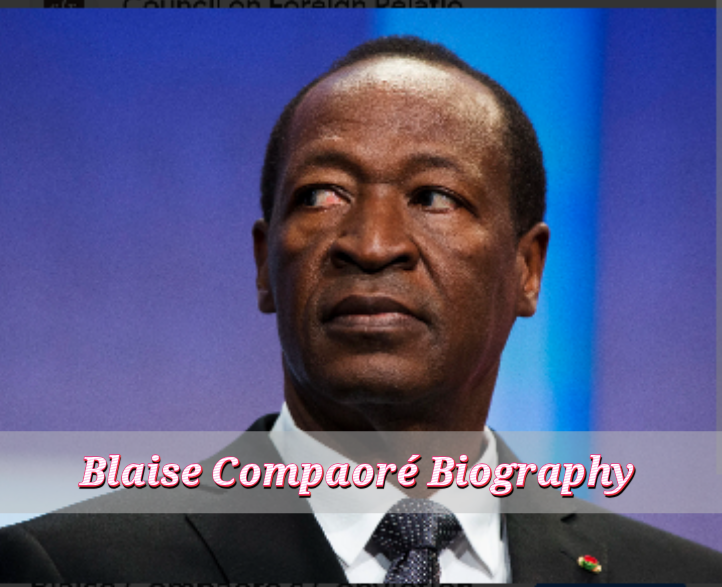
After the May 2007 election, President Blaise Compaoré picked Zongo as Prime Minister on June 4, 2007. The government formed on June 10, with 34 members. Zongo took office on June 11, replacing Paramanga Ernest Yonli.
As Prime Minister, Zongo led the government day to day. He focused on economic growth and stability. In 2009, he spoke at the International Labour Organization summit on jobs. He talked about the global crisis and its effect on Africa. In 2010, he noted the opening of a gold mine as a revenue source.
His term saw challenges. Burkina Faso dealt with food prices rising and unrest. In early 2011, protests and military mutinies happened. These were due to high costs and political tensions. On April 18, 2011, President Compaoré dismissed Zongo. Luc-Adolphe Tiao replaced him.
The dismissal came amid serious unrest. Records from 2011 show soldiers and people protested over pay and living costs. Zongo’s government tried to calm things but could not fully.
After leaving office, Zongo joined the private sector. In May 2012, he became a board member at SEMAFO. This is a Canadian mining company working in West Africa, including Burkina Faso. He helped with governance and local ties.
He also joined Endeavour Mining as a director. He served there for over ten years, planning to leave in 2024. These roles used his knowledge of mining and finance. Mining is key for Burkina Faso’s economy, with gold as a top export.
Today, Zongo is Director of the Sahel Chair at FERDI. FERDI stands for Foundation for International Development Studies and Research. He is a Senior Fellow and on the executive committee. As a consultant, he helps governments with planning and private sector talks.
His work now focuses on Sahel issues. The Sahel faces terror groups, climate change, and poor growth. Zongo co authors papers on these. For example, in 2016, “Linking Security and Development A Plea for the Sahel.” This book calls for better aid in unsafe areas.
In 2019, he wrote on foreign aid and revenue in conflict zones. Other works include reviews of Sahel Alliance efforts. The Sahel Alliance is a group helping the region since 2017.
Zongo speaks at events. In 2021, he joined a webinar on US aid. In 2022, he led a conference on Sahel activities. In 2024, he was at a think tank fair in Dakar.
His career teaches lessons. It shows how starting in teaching can lead to high office. It highlights the need for strong ties abroad. For Burkina Faso, his work improved finance systems. Readers can see that leaders must balance local needs with global help.
Tertius Zongo Personal Life
Details about Tertius Zongo’s personal life are not widely shared. Public sources focus on his work. He was born in Koudougou and has lived much of his life in Burkina Faso. As of 2026, he is 68 years old.
There is no public info on his family, like spouse or children. He keeps his private matters out of the spotlight. This is common for many leaders who separate work from home.
Zongo’s interests likely include reading on development. His writings show a passion for Africa’s future. He lives in Ouagadougou or travels for work.
Conclusion
Tertius Zongo’s life is a model of dedication to his country. From his birth in 1957 to his current roles, he has worked to improve Burkina Faso and the Sahel. His education in economics led to key jobs in government. As Prime Minister, he faced big challenges but pushed for growth.
After office, he continues to advise on vital issues. His papers and talks help shape policies for security and development. This shows that leadership does not end with one job.
FAQs
Who is Tertius Zongo?
Tertius Zongo is a Burkinabe economist and politician. He served as Prime Minister of Burkina Faso from June 2007 to April 2011. Born on May 18, 1957, in Koudougou, he has a background in finance and development. He now works as Director of the Sahel Chair at FERDI.
What is Tertius Zongo’s educational background?
Zongo holds a master’s degree in economic sciences from the Institut d’Administration des Entreprises in France. He taught accounting, business economy, and financial analysis at the University of Ouagadougou and the Ecole Nationale des Régies Financières.
What roles did Tertius Zongo hold before becoming Prime Minister?
Before Prime Minister, Zongo was chief of Multilateral Cooperation (1988-1992), director general of Cooperation (1992), Minister Delegate for Budget (1995), Government Spokesman (1996-2000), Minister of Economy and Finance (1997-2000), and Ambassador to the US (2002-2007).
Why was Tertius Zongo dismissed as Prime Minister?
Zongo was dismissed on April 18, 2011, amid protests and military mutinies over economic hardships and political tensions. President Blaise Compaoré replaced him with Luc-Adolphe Tiao.
What is Tertius Zongo doing now?
Now, Zongo is Director of the Sahel Chair at FERDI, a Senior Fellow, and consultant. He serves on boards like SEMAFO and Endeavour Mining. He writes on Sahel development and security.
What are some achievements of Tertius Zongo?
His achievements include leading economic reforms as Finance Minister, representing Burkina Faso internationally, and contributing to Sahel policies. He helped open gold mines for revenue in 2010 and authored key papers on aid and fragility.