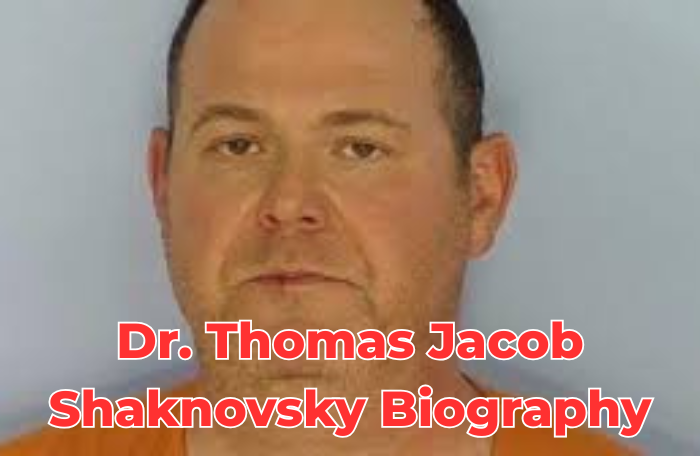
Dr Thomas Jacob Shaknovsky Biography: Early Life, Age, Career, Personal Life
The name Dr Thomas Jacob Shaknovsky gained national attention after a tragic surgical case in Florida sparked public debate about medical ethics, accountability, and patient safety. While many people first heard of him through headlines about a controversial surgery, there is a much broader interest in his background, medical career, professional history, and personal life.
Dr Thomas Jacob Shaknovsky was known for years as an osteopathic surgeon who practised in multiple states across the United States. Before the legal controversy that placed him under intense public scrutiny, he had built a career in surgery and healthcare. His story now sits at the centre of discussions about surgical standards, malpractice oversight, and the emotional pressures faced by medical professionals.
Advertisements
This article takes a detailed look at Dr Thomas Jacob Shaknovsky’s biography, including his early life, age, education, career achievements, personal life, controversies, and the wider lessons emerging from his case.
Who is Dr Thomas Jacob Shaknovsky?
Thomas Jacob Shaknovsky is an American osteopathic surgeon who became widely known after allegations connected to a fatal surgical procedure performed in Florida. Authorities later charged him with second-degree manslaughter after prosecutors claimed that a patient’s liver was mistakenly removed instead of the spleen during surgery.
Before the incident became national news, Dr Shaknovsky practized medicine in several states and worked within hospital systems focused on surgical care. Reports indicate he held licenses in Florida, Alabama, and New York at different points in his medical career.
His story has become one of the most talked-about medical legal cases in recent years because it combines issues of surgical responsibility, patient trust, hospital oversight, and criminal accountability.
Early Life and Background
Very little publicly verified information exists about Dr Thomas Jacob Shaknovsky’s childhood and family background. Unlike celebrities or politicians, whose biographies are well documented, medical professionals often maintain a more private personal profile until major public events put them in the spotlight.
Advertisements
However, available public records and medical licensing information suggest that he spent years pursuing a rigorous academic path that eventually led him into surgery. Becoming an osteopathic surgeon in the United States requires years of education, residency training, licensing examinations, and supervised clinical work.
Individuals who choose osteopathic medicine typically train under the Doctor of Osteopathic Medicine (DO) pathway rather than the traditional MD route. Osteopathic physicians receive training similar to that of MDs, while also emphasizing holistic patient care and musculoskeletal medicine.
Given his eventual specialization in surgery, it is clear that Dr Shaknovsky underwent intensive medical and surgical training over many years before entering independent practice.
Dr Thomas Jacob Shaknovsky’s Age
Public reports published in 2026 identified Dr Thomas Jacob Shaknovsky as 44 years old.
That places his birth year around 1981 or 1982, depending on his exact birth date.
His relatively young age surprised many observers because surgery is a field that generally demands long-term experience and years of professional development before surgeons handle highly complex procedures independently.
Educational Journey
Although detailed academic records have not been broadly released to the public, Dr Shaknovsky’s status as a licensed osteopathic surgeon confirms several important educational milestones.
To become a practicing osteopathic surgeon in the United States, a physician must complete:
- Undergraduate education
- Medical school
- Residency training
- Licensing examinations
- Surgical specialization training
The journey often takes more than a decade.
Osteopathic physicians earn the DO designation after graduating from accredited osteopathic medical schools. Their training includes anatomy, physiology, pathology, surgery, pharmacology, and patient-centred medical care.
After medical school, surgeons complete residency programs during which they perform supervised surgeries and gradually assume greater responsibility.
By the time Dr Shaknovsky entered professional surgical practice, he would have already spent thousands of hours in operating rooms and clinical environments.
Medical Career and Professional Rise
Entry Into Surgical Practice
Dr Shaknovsky eventually established himself as a surgeon practicing in the southeastern United States. Reports show that he held medical licenses in Florida and Alabama and previously had licensing connections in New York.
Surgical careers are built on years of clinical work, patient consultations, emergency care responsibilities, and hospital collaboration. Surgeons often work under extreme pressure, making rapid decisions in life-threatening situations.
Throughout his medical career, Dr Shaknovsky reportedly specialized in abdominal and laparoscopic surgery. These minimally invasive operations use small incisions and specialized instruments to reduce recovery times and surgical trauma.
Laparoscopic surgery has transformed modern medicine because it typically allows:
- Shorter hospital stays
- Faster recovery
- Smaller scars
- Reduced infection risks
However, laparoscopic surgery also requires exceptional technical precision and spatial awareness.
Reputation Before Public Controversy
Before the highly publicized case emerged, Dr Shaknovsky appeared to maintain an active surgical practice.
Most physicians remain largely unknown outside hospital systems unless:
- They publish major research
- Hold leadership positions
- Gain media attention
- Become involved in legal disputes
In Dr Shaknovsky’s case, public awareness dramatically increased after the tragic 2024 surgery involving patient William Bryan.
The Surgical Case That Drew National Attention
The event that transformed Dr Shaknovsky into a nationally recognized figure took place in August 2024.
According to prosecutors and public reports, 70-year-old William Bryan underwent surgery at Ascension Sacred Heart Emerald Coast Hospital in Florida after suffering abdominal pain while vacationing with his wife.
The surgery was reportedly intended to remove Bryan’s spleen through a laparoscopic splenectomy procedure. However, investigators later alleged that Dr Shaknovsky mistakenly removed the patient’s liver instead. Authorities stated that the mistake caused catastrophic blood loss and resulted in Bryan’s death during surgery.
The case quickly attracted nationwide media coverage because of the shocking nature of the allegations.
Investigators also claimed that:
- The spleen remained untouched
- The removed organ was labelled as a spleen
- Staff members allegedly recognized the organ as the liver
- Autopsy findings contradicted surgical documentation
Criminal Charges and Legal Developments
In April 2026, authorities announced that a grand jury had indicted Dr Thomas Jacob Shaknovsky on second-degree manslaughter charges.
The indictment represented a major escalation because medical malpractice cases are usually handled through civil lawsuits rather than criminal prosecution.
This distinction became a major point of public discussion.
Why the Case Is Unusual
Medical errors generally result in:
- Malpractice lawsuits
- Licensing reviews
- Financial settlements
- Administrative penalties
Criminal charges against physicians are comparatively rare and usually involve allegations of:
- Recklessness
- Gross negligence
- Intentional misconduct
Prosecutors argued that the surgical actions in this case crossed the threshold into criminal conduct.
Medical License Suspensions
Following the incident, medical authorities took action against Dr Shaknovsky’s professional license.
Reports indicate:
- Florida suspended his medical license.
- Alabama moved to revoke his license.
- He later surrendered his Alabama license.
- His New York licensing status was also affected.
Medical licensing boards are responsible for protecting public safety and maintaining professional standards among healthcare providers.
When severe allegations arise, boards may:
- Suspend licenses temporarily.
- Conduct investigations.
- Hold disciplinary hearings.
- Permanently revoke medical licenses.
Personal Life of Dr Thomas Jacob Shaknovsky
Private Lifestyle
Unlike entertainers or social media personalities, Dr Shaknovsky has maintained a relatively private personal life.
There is limited publicly confirmed information regarding:
- Marriage
- Children
- Family background
- Personal hobbies
- Religious affiliations
Most public discussion surrounding him focuses primarily on his professional activities and the legal case.
Emotional Statements and Public Reactions
One of the most discussed developments emerged during deposition testimony reported by NBC News.
According to deposition records, Dr Shaknovsky stated that he was “forever traumatized” by the patient’s death and emotionally devastated by the surgical outcome.
He reportedly described:
- Crying after the surgery
- Feeling demoralized
- Struggling emotionally after the patient died
- Experiencing confusion during the emergency situation
These statements added emotional complexity to the case because they presented the surgeon not only as a defendant but also as a physician facing the psychological consequences of a catastrophic medical outcome.
Previous Malpractice Allegations
Public reports also revealed prior allegations involving Dr Shaknovsky’s surgical work.
According to documents cited in media reports:
- A previous patient allegedly had part of the pancreas removed instead of the adrenal gland
- Another lawsuit reportedly involved postoperative complications tied to sepsis
These reports intensified public scrutiny and raised broader questions about surgical oversight and patient safety protocols.
Understanding Osteopathic Medicine
To fully understand Dr Shaknovsky’s background, it helps to understand osteopathic medicine itself.
Osteopathic physicians (DOs) are fully licensed doctors in the United States. They can:
- Perform surgery
- Prescribe medications
- Diagnose illnesses
- Practice in hospitals
The key distinction is that osteopathic medicine traditionally emphasizes:
- Whole-person care
- Preventive treatment
- Musculoskeletal health
- Integrated patient wellness
Today, DOs and MDs often work side by side in the same hospitals and specialties.
Many people mistakenly assume that osteopathic physicians are less qualified than MDs, but both pathways require extensive education and meet the same licensing standards.
Case Study: Why Surgical Errors Occur
The Shaknovsky case reignited national conversations about wrong-site and wrong-organ surgeries.
Common Causes of Surgical Errors
Medical studies have identified several contributing factors:
- Fatigue
- Communication breakdowns
- Emergency complications
- Poor visualization during surgery
- Human error
- Inadequate procedural checks
Although modern hospitals use safety protocols, severe errors can still happen.
The Importance of Surgical Checklists
Many hospitals now use systems such as:
- Time-out procedures
- Organ verification protocols
- Imaging reviews
- Team confirmations
These procedures are designed to reduce catastrophic mistakes before surgery begins.
The tragic nature of this case caused many healthcare professionals to revisit conversations about improving safeguards inside operating rooms.
Public Debate and Media Attention
The story went viral partly because the allegations were difficult for many people to comprehend.
The idea that a liver could allegedly be mistaken for a spleen shocked both medical professionals and the general public.
Media outlets across the country covered:
- The indictment
- Licensing suspensions
- Lawsuits
- Deposition testimony
- Body-camera footage of the arrest
The case also fueled online discussions about:
- Trust in healthcare systems
- Medical accountability
- Surgeon burnout
- Criminal prosecution of doctors
How the Case Affected the Medical Community
The medical profession reacted strongly to the allegations because surgical practice depends heavily on precision and trust.
Some healthcare professionals expressed concern that criminal prosecution might deter physicians from taking on high-risk cases or from reporting medical errors openly.
Others argued that accountability is necessary when alleged negligence reaches extreme levels.
This tension reflects a long-standing debate within medicine:
How should society distinguish between tragic human error and criminal misconduct?
The Psychological Burden on Surgeons
One important aspect often overlooked in public discussions is the emotional burden surgeons carry.
Surgeons regularly work in environments involving:
- Life-and-death decisions
- Long hours
- Extreme stress
- Unexpected complications
Medical researchers sometimes refer to physicians involved in catastrophic outcomes as “second victims” because they may experience:
- Depression
- Anxiety
- PTSD symptoms
- Burnout
- Professional isolation
That does not remove accountability, but it adds another dimension to understanding how traumatic surgical outcomes affect everyone involved.
Lessons From the Shaknovsky Case
Regardless of legal outcomes, the case has already become a major example in discussions about:
- Surgical safety
- Healthcare oversight
- Patient advocacy
- Medical transparency
- Licensing regulation
Hospitals and healthcare systems may continue using cases like this to strengthen:
- Surgical verification systems
- Operating room communication
- Peer review standards
- Emergency response procedures
Public Image and Reputation
Dr Thomas Jacob Shaknovsky’s public image changed dramatically after the case became national news.
Before the controversy, he was primarily known within medical circles.
Today, his name is associated with:
- High-profile malpractice allegations
- Criminal prosecution
- Medical ethics debates
- Surgical accountability discussions
Public perception has been shaped heavily by media reporting and legal filings.
However, as with all legal proceedings, courts ultimately determine criminal responsibility through due process.
Frequently Asked Questions (FAQs)
Who is Dr Thomas Jacob Shaknovsky?
Thomas Jacob Shaknovsky is an American osteopathic surgeon who became widely known after a Florida surgical case involving allegations that the wrong organ was removed during surgery.
How old is Dr Thomas Jacob Shaknovsky?
Public reports in 2026 listed him as 44 years old.
What happened in the surgery case involving Dr Shaknovsky?
Authorities alleged that during a planned splenectomy procedure, the patient’s liver was mistakenly removed, causing fatal blood loss.
Was Dr Shaknovsky arrested?
Yes. Reports state he was arrested in Florida after a grand jury indictment on second-degree manslaughter charges.
Did Dr Shaknovsky lose his medical license?
Reports indicate that his licenses were suspended or surrendered in multiple states, including Florida and Alabama.
What type of doctor was Dr Shaknovsky?
He was an osteopathic surgeon, meaning he trained as a Doctor of Osteopathic Medicine (DO).
What is osteopathic medicine?
Osteopathic medicine is a branch of medical practice emphasizing whole-person care, preventive treatment, and musculoskeletal health.
Why is this case considered unusual?
Medical malpractice cases are usually civil matters. Criminal charges against physicians are comparatively rare.
Final Thoughts
The story of Thomas Jacob Shaknovsky is both tragic and deeply complex. What began as the career of a trained osteopathic surgeon eventually turned into one of the most closely watched medical legal cases in recent memory.
His biography reflects more than just one controversial moment. It also reveals the immense pressures surrounding surgical medicine, the fragile trust between patients and healthcare providers, and the life-altering consequences that can emerge when medical procedures go wrong.
The case has already influenced public conversations about patient safety, physician accountability, and the standards hospitals must uphold inside operating rooms. Whether viewed from a legal, ethical, or medical perspective, the events connected to Dr Shaknovsky continue to raise difficult questions that resonate far beyond a single courtroom.
As investigations and legal proceedings continue, the case will likely remain a reference point in discussions of modern healthcare systems, medical oversight, and the responsibilities of surgeons entrusted with human lives.