Fannie Nkosi Biography
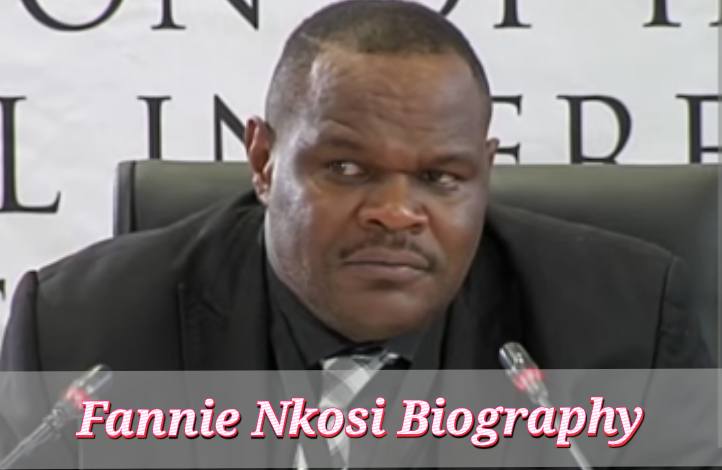
Fannie Nkosi is a sergeant in the South African Police Service. People know him best right now as Witness F. This name came from his early work at a special inquiry. In March 2026, he started to speak openly in public hearings. The hearings happen at the Madlanga Commission of Inquiry.
This commission looks into crime, politics, and possible wrong actions inside the justice system. It started in 2025 after President Cyril Ramaphosa set it up. The goal is to find out if bad groups have entered police work, courts, or other important places. Many South Africans watch these hearings because they want to know if their police stay clean and fair.
Sergeant Fannie Nkosi works in the Gauteng organised crime unit. This unit handles hard cases like gangs and big money crimes in the Gauteng area. His name came out during other officers’ talks at the commission. Now he answers questions himself. On 16 March 2026, he appeared in person for the first time. Before that, he spoke only by video and his face stayed hidden.
The public wants clear answers. Does he follow orders or go too far? These questions help everyone understand how police work every day. A strong police force keeps people safe from serious crime. When questions come up, the commission tries to sort facts from claims. This process builds trust. South Africans learn how their government checks power.
This article explains everything step by step in easy words. You will read about his known background, his job, the current matters at the commission, and what it all means. The facts come only from reports dated up to 17 March 2026. No guesses appear here. The aim is to help readers know the full picture without confusion.
Sergeant Nkosi’s story shows how one officer can become part of bigger talks about honesty in law work. Many people ask why this matters to them. Simple answer: good policing stops theft, violence, and unfair deals that hurt daily life. When the commission works well, it can suggest changes that make the whole country safer.
Fannie Nkosi Early Life
Details about Sergeant Fannie Nkosi’s early life stay private. Public records and news reports up to March 2026 do not list his birth date, school years, or family background. This is normal for many police officers who do not seek fame. They focus on their duties instead.
What we do know is that he joined the South African Police Service at some point and rose to the rank of sergeant. In South Africa, people become police officers after training at colleges run by the SAPS. They learn laws, how to investigate, and how to stay safe on the job. Many come from different towns and learn skills to fight crime.
Some reports from commission talks mention that he once helped police as an informant before he became a full officer. This means he gave tips about possible crimes while still a civilian. Later he moved into a contact role with crime intelligence. These steps are common for officers who end up in organised crime units. They build networks to catch big threats.
No other personal stories appear in open sources. The commission does not dig into private childhood matters. It focuses on work actions only. This keeps the hearings fair and on topic. Readers can see that Sergeant Nkosi is a working officer whose story starts with his police service.
South Africa has over 150,000 police members. Many start young and spend years learning. Their early years shape how they handle pressure later. Even without exact dates, his path fits the usual way officers grow in the SAPS. The important part today is how he does his current job.
Fannie Nkosi Career
Sergeant Fannie Nkosi serves in the Gauteng organised crime unit of the SAPS. This unit works in South Africa’s busiest province. Gauteng includes Johannesburg and Pretoria. The team targets large scale crimes such as drug rings, taxi violence, and money related schemes.
His rank is sergeant. In the police, this level means he leads small teams and handles daily investigations. Sergeants report to higher officers like lieutenants or generals. They collect evidence, speak to witnesses, and plan arrests.
News from the commission shows he worked closely with suspended Deputy National Police Commissioner Lieutenant General Shadrack Sibiya. He carried messages and helped with some operations. For example, he sent information about arrest warrants when asked. He also stayed in touch with people outside the police for work reasons.
One part of his job involved crime intelligence. Officers in this area gather secret tips to stop crimes before they grow big. Sergeant Nkosi said in hearings that he followed orders from seniors. This is standard in police chains of command. Everyone must report up the line.
He drove official SAPS vehicles on duty. He attended meetings and shared updates by phone or message. These actions match normal police work in organised crime cases. The unit often deals with dangerous people, so officers stay careful.
His career shows years of service in tough areas. No earlier promotions or special awards appear in public news. The focus stays on his recent actions at the commission. As of 17 March 2026, he still holds his position while he answers questions.
The organised crime unit plays a key role in South Africa. It fights groups that steal millions or hurt communities. Officers like Sergeant Nkosi face daily risks. Their work helps reduce violence in cities. When problems come up, the commission checks if rules were followed. This protects both the public and honest officers.
Fannie Nkosi Controversies
Sergeant Fannie Nkosi faces questions at the Madlanga Commission. The hearings started in 2025 and continue in 2026. Claims link him to other officers and outside people. He answers all questions himself. Here are the main points from reports dated 16 and 17 March 2026.
- He once appeared only as Witness F. His real name came out when lawyers and evidence leaders spoke during earlier sessions. CCTV video also helped identify him.
- On 16 March 2026, he testified in public for the first time. He said he has several nicknames. These include 007, 10111, and Knight Rider. He explained he did not know 007 links to the James Bond movies. He added he does not have any special licence to act outside the law.
- He admitted he shared some police papers with businessman Vusimuzi Cat Matlala. One paper listed suspects in a chrome theft case from North West Province. He said this happened on orders from senior officers.
- CCTV from earlier shows him leaving the home of Katiso KT Molefe with a white paper bag. He drove an official SAPS car linked to Lieutenant General Sibiya’s office. He stayed only a short time. The commission asked about the bag contents. He denied it held money.
- He sent a warrant of arrest for blogger Musa Khawula to Matlala. He said this followed instructions because Matlala visits the same places as Khawula. The goal was to help with the arrest.
- He talked on the phone with Matlala during a police raid on Matlala’s property. He explained the call was about a kidnapping case and stayed work related.
- He denied taking cash as bribes. He said any money movement followed orders and was not personal gain. Lieutenant General Sibiya also spoke about these matters in his own testimony.
- The commission asked about a phone contact saved as EFF spokesperson. He said it belonged to a real member of that party and related to work.
- He requested a short break during tough questions on 17 March 2026. This is normal in long hearings.
- His lawyers noted he traveled in an official car and followed rules. They expressed surprise that some lists named him for further checks.
These points come straight from the live hearings and news reports. The commission chairperson, retired Justice Mbuyiseli Madlanga, leads the questions. Sergeant Nkosi answers under oath. The process checks facts without quick judgments.
No final decisions exist yet. The commission collects all sides before it writes its report. South Africans learn from this open style. It shows how the country tests its own systems.
Conclusion
Sergeant Fannie Nkosi continues his testimony at the Madlanga Commission as of 17 March 2026. His answers add to the bigger picture of police work in South Africa. The commission, set up in 2025, aims to strengthen the justice system. It looks at claims of interference and crime inside key offices.
His story reminds everyone that police officers do important daily tasks. They face hard choices and follow chains of command. When questions rise, open hearings help clear the air. This builds public confidence.
The full report will come later. It may suggest new rules or training. South Africans can watch updates to see how things move forward. Honest policing protects families and businesses. The process now under way shows the country works to keep standards high.
FAQs
Who is Fannie Nkosi?
Fannie Nkosi is a sergeant in the Gauteng organised crime unit of the South African Police Service. He became known to the public as Witness F during the Madlanga Commission hearings. In March 2026, he started to testify openly with his real name. His job involves fighting large crime groups in the province. He answers questions about his work actions at the inquiry.
What is the Madlanga Commission of Inquiry?
The Madlanga Commission is an official inquiry started by President Cyril Ramaphosa in 2025. Retired Justice Mbuyiseli Madlanga leads it. The group checks claims of crime and political meddling inside police, courts, and other justice offices. It hears from many witnesses to find facts and suggest fixes. Hearings run in Pretoria and stay open for the public to follow.
Why does the commission call him Witness F?
Early in the hearings, officers used letter names like Witness F to keep identities safe. This protects people who speak about sensitive matters. Sergeant Nkosi used this name at first. Later, details from lawyers and video evidence showed his real name. The commission then asked him to appear openly from 16 March 2026.
What unit does Sergeant Fannie Nkosi work in?
He works in the Gauteng organised crime unit. This team targets big threats such as gangs, drugs, and money crimes across Johannesburg and nearby areas. The unit works fast on cases that affect many people. Sergeants like him collect evidence and support senior officers.
What claims came up about money and bags?
During earlier testimony, the commission saw CCTV video. It shows Sergeant Nkosi at Katiso KT Molefe’s home. He left with a paper bag. Some asked if the bag held cash. He said no and explained the visit was short and work related. He drove an official police car at the time. No proof of money has been confirmed in reports up to 17 March 2026.
Did he share police information?
Yes, he admitted this in his March 2026 testimony. He sent documents to businessman Vusimuzi Cat Matlala. One document named suspects in a chrome theft case. He said seniors ordered the share. The commission checks if this broke rules or stayed inside normal duties.
What nicknames does he have?
He listed several names that friends and colleagues use. These include 007, 10111, and Knight Rider. On 16 March 2026, he explained the names come from daily talk. He said he did not link 007 to James Bond and does not have any special powers outside the law.
Is he still a police officer?
Yes. As of 17 March 2026, Sergeant Fannie Nkosi keeps his SAPS position. He testifies while on duty. The commission does not remove officers. It gathers information for later decisions. Any further steps would follow full reviews.
What is the link to Lieutenant General Shadrack Sibiya?
Lieutenant General Shadrack Sibiya is a suspended senior officer. Sergeant Nkosi worked with him on some tasks. He passed messages and helped with operations on orders. Both men spoke at the commission about their contact. The talks check if actions followed proper steps.
Why does this matter to ordinary South Africans?
The commission looks at police honesty. When systems work well, crime stays low. People feel safe in their homes and streets. Hearings like these show the country checks itself. They can lead to better training and rules. Everyone benefits from clear answers about public safety.