Bangladeshi Uno Alauddin: Biography, Early Life, Viral Video & Personal Life

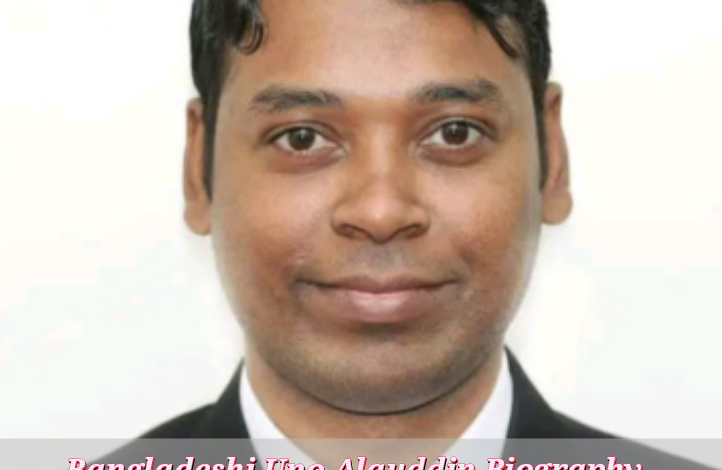
Bangladeshi Uno Alauddin Biography
Md. Alauddin, the Bangladeshi civil servant known professionally as the Upazila Nirbahi Officer of Hatiya in Noakhali District until early 2026, has dedicated his professional life to public administration within the Bangladesh Civil Service. A member of the 36th batch of the Bangladesh Civil Service Administration Cadre, he has held key field positions that involve direct interaction with local communities, development initiatives, and law and order maintenance in some of the country’s more challenging administrative areas. His career trajectory reflects the demanding nature of grassroots governance in Bangladesh, where officers like him manage everything from disaster response to everyday citizen services in remote regions.
While Md. Alauddin maintained a relatively low public profile for most of his service years, recent events in March 2026 brought him into national attention following the circulation of controversial videos on social media. He has consistently maintained his innocence, describing the material as fabricated using artificial intelligence technology amid personal and professional rivalries from a prior posting. His story highlights both the responsibilities and vulnerabilities faced by public officials in an era of rapid digital dissemination of information. This biography explores his known background, professional journey, recent developments, and the broader context of his contributions to local administration.
Bangladeshi Uno Alauddin Early Life and Education
Limited public information is available about the early life of Md. Alauddin, as is typical for many mid level civil servants in Bangladesh who do not enter the spotlight until later in their careers. He was born in Bangladesh, though the precise district, town, or village of his birth and the exact date of his birth remain undocumented in readily accessible official or media records. Like many who join the Bangladesh Civil Service, he likely grew up in a family that valued education and public service, environments that often nurture the discipline and ambition required to succeed in one of the country’s most competitive recruitment processes.
His educational path appears to have included studies in engineering, as suggested by an associated professional email address referencing engineering credentials linked to institutions under the National University system. In Bangladesh, aspiring civil servants frequently pursue degrees in engineering, business, or the social sciences from public universities such as Dhaka University, Bangladesh University of Engineering and Technology, or affiliated National University colleges before attempting the rigorous Bangladesh Civil Service examination. The 36th batch of the BCS, which Alauddin joined, drew from a pool of highly qualified graduates who excelled in written tests covering Bengali, English, general knowledge, and subject specific papers, followed by a viva voce interview that assesses personality, leadership potential, and analytical skills. This selection process is notoriously competitive, with thousands of applicants vying for a few hundred positions each year across various cadres. Success demands months or even years of dedicated preparation, often involving coaching centers in Dhaka or self study alongside university coursework.
Alauddin’s engineering background would have equipped him with problem solving abilities well suited to the technical and developmental aspects of field administration, such as infrastructure projects, land management, and disaster mitigation. During his formative years and university days, he would have witnessed the rapid socioeconomic changes in Bangladesh following the restoration of democracy in the 1990s and the push toward digital governance in the 2000s and 2010s. Many officers from his batch entered service around the mid 2010s, a period when the government emphasized e governance, transparency, and local level development under initiatives like the Upazila Governance and Development Project. Although specific details of his school or college years are not publicly recorded, his later performance in postings suggests a foundation in practical administration and community engagement that aligns with the training provided at the Bangladesh Public Administration Training Centre after recruitment.
The early life of a BCS officer is often shaped not only by formal education but also by exposure to the diverse realities of Bangladesh, from rural agricultural communities to urban centers. For Alauddin, this foundation prepared him for the multifaceted demands of upazila level governance, where officers must balance regulatory duties with developmental goals. His entry into the service marked the beginning of a career focused on serving at the grassroots, a path that many view as the backbone of Bangladesh’s administrative machinery.
Bangladeshi Uno Alauddin Career
Md. Alauddin’s career in the Bangladesh Civil Service exemplifies the role of field administrators who serve as the primary link between central government policies and local implementation. As a 36th batch Administration Cadre officer, he began his journey with foundational training and was subsequently posted to various field positions that tested his ability to manage complex local issues. One of his earlier known roles was as Assistant Commissioner Land in Shalla and Tahirpur upazilas of Sunamganj District in the Sylhet division. Sunamganj, known for its haor wetlands and frequent flooding, presents unique administrative challenges, including land disputes, water resource management, and relief distribution during natural calamities. In these positions, Alauddin would have handled tasks such as land record updates, mutation cases, and coordination with local union parishads to ensure equitable access to government services.
His tenure in Sunamganj reportedly involved routine administrative oversight, but it also laid the groundwork for later controversies, as he later cited disputes from that period as the motivation behind alleged smear campaigns against him. Officers in such roles often face high pressure from local stakeholders, political influences, and the sheer volume of cases, which can sometimes lead to tensions. Alauddin’s experience there honed skills in revenue administration and public grievance redressal, skills that proved valuable when he was transferred to Hatiya Upazila in Noakhali District as Upazila Nirbahi Officer.
The position of Upazila Nirbahi Officer, or UNO, is one of the most critical in Bangladesh’s decentralized administration. Appointed by the government, the UNO acts as the chief executive of the upazila, coordinating between the upazila parishad, various government departments, and law enforcement agencies. Responsibilities include supervising development projects funded by the Annual Development Programme, maintaining law and order in coordination with police, overseeing education and health initiatives, and responding to emergencies such as cyclones or floods. Hatiya Upazila, located on a remote island in the Bay of Bengal within Noakhali District, is particularly demanding due to its geography. The area is prone to tidal surges, erosion, and isolation during monsoon seasons, making the UNO’s role essential for coordinating relief, infrastructure repair, and community resilience programs. Alauddin assumed this position and quickly became involved in day to day governance, demonstrating an active presence in local affairs.
One notable incident during his time in Hatiya illustrated his approach to youth engagement and discipline. Late one evening, while patrolling the residential area near the upazila parishad complex, Alauddin encountered four students engaged in casual conversation instead of studying. Rather than issuing reprimands alone, he encouraged them to focus on their books, sat with them briefly to emphasize the value of education, and even shared a photograph of the moment on the official upazila social media page to promote a culture of academic diligence among local youth. This action was widely shared locally and reflected a proactive, community oriented style that sought to inspire rather than merely enforce rules. In another instance, he reported on a clash between political activists at Nalchira Ghat in January 2026, where supporters of different parties came into conflict over slogan chanting during a ferry service inauguration. Alauddin provided timely updates to media outlets, confirming injuries and the need for medical attention at the local health complex, underscoring his role in maintaining transparency during sensitive law and order situations.
Throughout his career, Alauddin participated in the broader framework of upazila development, which includes implementing projects related to agriculture, education, health, and infrastructure under the guidance of the Local Government Division. The UNO also chairs various committees, such as the Upazila Development Coordination Committee, and works closely with elected representatives to align government priorities with local needs. In Hatiya, this would have involved addressing issues like char land management, coastal protection, and access to clean water, challenges that define life in Bangladesh’s coastal belt. His service record, prior to the events of March 2026, showed consistent engagement with these responsibilities, contributing to the smooth functioning of local administration in a region where effective governance can mean the difference between community stability and hardship.
The career of a UNO like Alauddin also involves continuous professional development through workshops, training programs on disaster management, and digital governance tools. Bangladesh has invested heavily in capacity building for such officers, with programs aimed at enhancing transparency and reducing corruption. Alauddin’s progression from land administration in Sunamganj to full UNO responsibilities in Hatiya demonstrates the rotational nature of BCS postings, designed to expose officers to diverse administrative environments and prevent entrenched local influences. While specific performance evaluations or awards are not publicly detailed, his ability to manage high profile local incidents indicates competence in crisis communication and field level decision making.
Bangladeshi Uno Alauddin Recent Events (Viral Video)
In mid March 2026, Md. Alauddin’s tenure as Hatiya UNO came under intense public scrutiny following the viral spread of a 29 second explicit video clip on social media platforms. The video, which allegedly depicted him in an intimate situation with a young woman, circulated rapidly across Facebook and other channels, prompting widespread discussion and concern. Within days, additional clips surfaced, leading to allegations of inappropriate conduct and even claims that he had been involved in producing such material. The Ministry of Public Administration responded swiftly, issuing a notification on or around March 18, 2026, placing him on Officers on Special Duty status. This administrative measure effectively relieved him of his active duties as UNO, reassigning him to the ministry pending further review, a standard procedure in cases involving potential misconduct to ensure impartial investigation.
Alauddin immediately denied the authenticity of the videos, asserting in statements to local journalists in Noakhali that they were fabricated using artificial intelligence deepfake technology. He attributed the circulation to individuals from his previous posting in the Sunamganj area, where he claimed professional disputes and enmities had motivated a deliberate smear campaign. He emphasized that the material did not reflect reality and expressed willingness to cooperate with any official inquiry. Despite these denials, the incident triggered broader discussions about digital ethics, the vulnerability of public figures to misinformation, and the need for stronger safeguards against AI generated content in Bangladesh. Media outlets reported on the government’s prompt action, highlighting the emphasis on accountability within the civil service.
In the weeks following the video’s emergence, additional allegations surfaced regarding his conduct during the Sunamganj posting, including claims of irregularities, corruption, and rude behavior toward locals. These reports remain under scrutiny, and no formal charges had been confirmed by early April 2026. The case has drawn attention from rights groups and commentators concerned about the intersection of personal privacy, public office, and social media accountability. For Alauddin, the period has been one of professional limbo, as OSD assignments typically involve minimal or desk based work while investigations proceed. The events underscore the challenges faced by field officers in maintaining personal and professional boundaries in an increasingly connected society, where even unverified claims can have immediate career consequences.
Bangladeshi Uno Alauddin Personal Life
Details about the personal life of Md. Alauddin remain largely private, consistent with the norms observed by many civil servants who prioritize discretion to avoid conflicts of interest in their official roles. Public records and media coverage do not provide information on his marital status, family members, or personal interests beyond his professional duties. As an officer posted to remote upazilas like Hatiya, his daily life would have revolved around official residence quarters, community interactions, and the demands of 24 hour availability during emergencies. Officers in such positions often maintain a balance between professional obligations and personal well being, though the isolation of island locations can add layers of challenge to family life if applicable.
Alauddin has not publicly shared aspects of his hobbies, religious practices, or community involvements outside of administrative functions. In statements following the recent controversy, he focused solely on defending his professional integrity rather than delving into personal matters. This reticence aligns with the culture of the Bangladesh Civil Service, where officers are expected to embody impartiality and avoid drawing attention to private affairs. Any family or close associates would likely have been affected by the media attention in March 2026, though no public comments from them have emerged. Overall, his personal life appears to have remained shielded from public view, allowing focus on his administrative contributions until the recent developments thrust him into the spotlight.
Conclusion
Md. Alauddin’s journey as a Bangladesh Civil Service officer reflects the dedication required to serve at the forefront of local governance in a nation where upazila level administration forms the bedrock of development and service delivery. From his early postings in Sunamganj to his leadership in Hatiya, he navigated complex environments marked by geographical isolation, natural vulnerabilities, and community expectations. While his career encountered significant challenges in early 2026, the events also serve as a reminder of the evolving landscape of public service in the digital age, where accountability must be balanced with fairness and the protection of individual rights. As investigations continue, Alauddin’s story contributes to ongoing conversations about integrity, technology, and governance in Bangladesh. His experience underscores the importance of robust systems that support officers while ensuring transparency, ultimately strengthening public trust in the administrative framework that touches the lives of millions.
FAQs
Who is Md. Alauddin and what is his professional background?
Md. Alauddin is a Bangladeshi civil servant from the 36th batch of the Bangladesh Civil Service Administration Cadre. He has served in field positions including Assistant Commissioner Land in Sunamganj District and later as Upazila Nirbahi Officer of Hatiya in Noakhali District.
What led to Md. Alauddin being placed on Officers on Special Duty in March 2026?
A 29 second explicit video allegedly involving him circulated widely on social media, prompting the Ministry of Public Administration to relieve him of duties as UNO and assign him OSD status pending inquiry. He has denied the video’s authenticity, claiming it to be an AI generated deepfake created by rivals from a previous posting.
What are the main responsibilities of a Upazila Nirbahi Officer like Alauddin?
The UNO serves as the chief executive at the upazila level, coordinating development projects, law and order, education, health services, and emergency responses while working with elected bodies and government departments to implement national policies locally.
Has Md. Alauddin been involved in any notable community initiatives during his tenure?
Yes, one reported instance involved him encouraging four students to focus on studies late at night in Hatiya and sharing the moment publicly to promote academic discipline among youth. He also managed responses to local political clashes and community issues.
What has Md. Alauddin said about the viral videos?
He has publicly stated to journalists that the videos are completely fake, created with artificial intelligence as part of a smear campaign linked to disputes from his earlier service in Sunamganj, and that they do not represent reality.
Why is Hatiya Upazila considered a challenging posting for administrators?
Hatiya is a remote island upazila in the Bay of Bengal prone to cyclones, tidal flooding, and erosion, requiring the UNO to coordinate relief efforts, infrastructure maintenance, and development in an area with limited connectivity during adverse weather.
What is the Officers on Special Duty status in the Bangladesh Civil Service?
It is a temporary administrative placement that removes an officer from active field duties, often used during investigations or pending reassignment, allowing the government to maintain oversight while ensuring continuity of service functions.
Are there any confirmed legal proceedings against Md. Alauddin as of April 2026?
As of early April 2026, no formal charges have been publicly confirmed, though the government has initiated review processes following the video circulation and related allegations from previous postings. Investigations remain ongoing.
How does the Bangladesh Civil Service selection process prepare officers for roles like UNO?
The BCS examination includes written tests, interviews, and post recruitment training at the Bangladesh Public Administration Training Centre, equipping officers with skills in law, administration, disaster management, and public engagement necessary for field leadership.
What broader lessons can be drawn from Md. Alauddin’s recent experiences?
The incident highlights the need for digital verification tools, ethical guidelines for public officials, and mechanisms to protect against misinformation while upholding accountability in an era where social media can rapidly impact professional reputations.