Lassina Zerbo Biography: Early Life, Education, Career, Age & Personal Life
Lassina Zerbo Biography
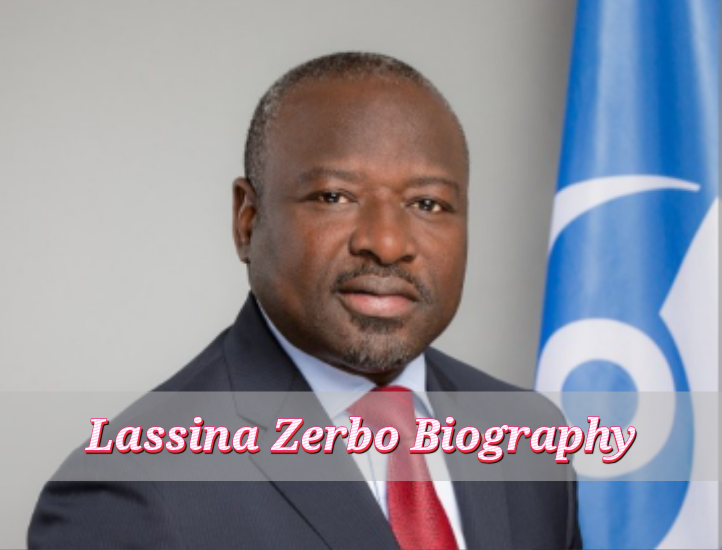
Lassina Zerbo is a well-known figure in science, diplomacy, and politics. He has built a career that connects technical knowledge with global peace efforts and African growth. His path shows how one person can influence nuclear safety and energy plans across continents. Zerbo’s work in geophysics led him to roles in international groups focused on stopping nuclear tests. Later, he entered politics in his home country and now pushes for better energy options in Africa.
This article looks at who Lassina Zerbo is by covering his early years, education, career steps, awards, personal details, and more. It aims to teach readers about his impact on nuclear non-proliferation, which means efforts to stop the spread of nuclear weapons, and his views on using nuclear power for development in Africa. By learning about Zerbo, people can understand how science and diplomacy work together to solve big world problems. His story also highlights the role of leaders from developing nations in global talks.
Advertisements
Zerbo’s journey started in a time of change for his country. Burkina Faso gained independence in 1960, and he grew up during shifts in its name and government. His focus on education set him on a path to become a respected expert. Today, he continues to advocate for safe nuclear technology to help African countries meet their energy needs. This piece will break down his life and work in simple terms, making it easy to follow and learn from.
Lassina Zerbo Early Life and Education
Lassina Zerbo was born on October 10, 1963, in Upper Volta, a West African nation that later became Burkina Faso in 1984. Growing up in a place with limited resources, he saw the need for science and technology to improve lives. His early experiences likely sparked his interest in fields that could help his community and beyond.
For his higher studies, Zerbo went abroad to gain top-level knowledge. He earned a PhD in Geophysics from the Université de Paris XI in 1993. Geophysics is the study of Earth’s physical properties, like earthquakes and underground structures. His thesis work focused on topics that would later connect to his career in monitoring nuclear activities.
During his time in France, Zerbo built a strong base in scientific methods. This education prepared him for roles in research and industry. He learned to use tools for analyzing data from the ground, which is key in finding resources like minerals or detecting events like explosions.
Back in Burkina Faso, his background helped him see how science could aid development in Africa. He understood the challenges of limited access to technology and aimed to bridge that gap. His early life taught him resilience, while his education gave him skills to tackle complex issues.
Advertisements
This foundation was crucial for his later success. It showed him how to apply science to real-world problems, from mining to global security. Readers can learn from this that pursuing education, even far from home, can open doors to influential positions.
Lassina Zerbo Career
Zerbo’s career began in the private sector, where he applied his geophysics knowledge to mining. He worked for companies like BHP-Billiton and Anglo American plc. In these roles, he used seismic techniques to explore for minerals. Seismic methods involve sending waves into the ground to map what’s below, similar to how doctors use ultrasound.
In 2004, Zerbo joined the Comprehensive Nuclear-Test-Ban Treaty Organization, or CTBTO, as Director of the International Data Centre. The CTBTO is an international body that watches for nuclear explosions worldwide. His job involved overseeing data from monitoring stations that detect signs of tests, like seismic waves or radioactive particles.
By 2013, he became the Executive Secretary of the CTBTO, a position he held until 2021. As leader, he pushed for the Comprehensive Nuclear-Test-Ban Treaty, or CTBT, which aims to ban all nuclear explosions. Under his guidance, the organization improved its International Monitoring System, a network of over 300 stations around the globe.
One key achievement was enhancing the system’s ability to spot events accurately. For example, it detected North Korean nuclear tests in 2013, 2016, and 2017. This helped inform world leaders and promote peace. Zerbo also focused on science diplomacy, which means using scientific cooperation to build trust between countries.
After leaving the CTBTO, Zerbo entered politics in Burkina Faso. In December 2021, he was appointed Prime Minister by President Roch Marc Christian Kaboré. His term was short, ending in January 2022 due to a military coup. During his brief time, he worked on issues like security and economic growth amid rising instability in the region.
Now, Zerbo serves as Chairperson of the Rwanda Atomic Energy Board since 2022. In this role, he advocates for nuclear energy in Africa. He believes small modular reactors, which are compact nuclear power plants, can provide clean energy to countries with limited grids. Over 30 African nations show interest in this technology, according to his statements.
Zerbo has spoken at events like the Munich Security Conference about Africa’s energy needs. He points out that many people in Africa lack electricity, and nuclear power could help without adding to climate change. His work links back to his geophysics roots, as safe nuclear sites need careful site studies.
Throughout his career, Zerbo has emphasized empowering young people in science and diplomacy. He mentors the next generation through programs at the CTBTO and beyond. This focus ensures his ideas continue to influence future leaders.
His path from industry to international leadership and politics shows versatility. It teaches that skills in one area can transfer to others, helping solve diverse problems. For readers, understanding Zerbo’s career highlights the importance of adaptability in a changing world.
In mining, he contributed to resource discovery, aiding economies. At the CTBTO, he advanced global monitoring tech, making the world safer. Politically, he tried to stabilize his country during tough times. Currently, his advocacy pushes for sustainable energy, addressing Africa’s power shortages where about 600 million people lack access.
Nuclear energy, as Zerbo promotes, offers a reliable source compared to intermittent renewables like solar or wind. Small modular reactors are designed to be safer and quicker to build. This could transform agriculture, health, and industry in Africa by providing steady power.
Zerbo’s involvement in forums like the Atlantic Council allows him to share these views widely. He argues for technology transfer from developed nations to help Africa leapfrog old energy systems. His career exemplifies how African experts can lead on global stages.
Lassina Zerbo Awards and Recognitions
Lassina Zerbo has received several honors for his work in science and diplomacy. In 2018, he got the AAAS Award for Science Diplomacy from the American Association for the Advancement of Science. This award recognizes his efforts in using science to foster international cooperation on nuclear issues.
He was also given Special Honorary Citizenship by the City of Hiroshima in 2015. Hiroshima, affected by a nuclear bomb in 1945, honors those who work for peace and disarmament.
In 2019, Zerbo received the Nazarbayev Prize for a Nuclear-Weapons-Free World and Global Security. This prize highlights his role in promoting the CTBT and reducing nuclear threats.
Kazakhstan awarded him its Presidential Medal in 2013 for contributions to non-proliferation. These awards show global appreciation for his work.
Such recognitions motivate others in similar fields. They prove that dedication to peace through science gets noticed worldwide.
Lassina Zerbo Personal Life
Lassina Zerbo is married and has three children. He keeps his family life private, focusing public attention on his professional work. His commitment to family likely grounds him amid busy international roles.
Zerbo enjoys activities that reflect his interests in science and culture. He speaks multiple languages, including French and English, aiding his global diplomacy.
His personal values emphasize education and youth empowerment. In interviews, he shares how his own path inspires him to help others. This personal touch makes him relatable to many.
Conclusion
Lassina Zerbo’s life story teaches us about blending science with leadership for global good. From his start in Burkina Faso to leading international efforts, he has made lasting impacts on nuclear safety and African development. His work reminds us that individuals from any background can influence world affairs.
FAQs
Who is Lassina Zerbo and what is he known for?
Lassina Zerbo is a Burkinabé scientist and diplomat born in 1963. He is known for leading the CTBTO from 2013 to 2021, promoting the nuclear test ban treaty, and advocating for nuclear energy in Africa.
What is Lassina Zerbo’s educational background?
He holds a PhD in Geophysics from Université de Paris XI, earned in 1993. His studies focused on Earth’s physical properties.
What role did Lassina Zerbo play in the CTBTO?
As Executive Secretary from 2013 to 2021, he advanced the monitoring system and pushed for the CTBT’s ratification.
Why was Lassina Zerbo’s tenure as Prime Minister short?
Appointed in December 2021, his term ended in January 2022 due to a military coup in Burkina Faso.
How is Lassina Zerbo advocating for nuclear energy in Africa?
As Chairperson of the Rwanda Atomic Energy Board, he promotes small modular reactors to provide clean power to African nations.
What awards has Lassina Zerbo received?
He has won the 2018 AAAS Award for Science Diplomacy, Special Honorary Citizenship of Hiroshima in 2015, Nazarbayev Prize in 2019, and Kazakhstan’s Presidential Medal in 2013.