Davis Ofor (Clarus) Biography: Early Life, Age, Education, Career & Person Life

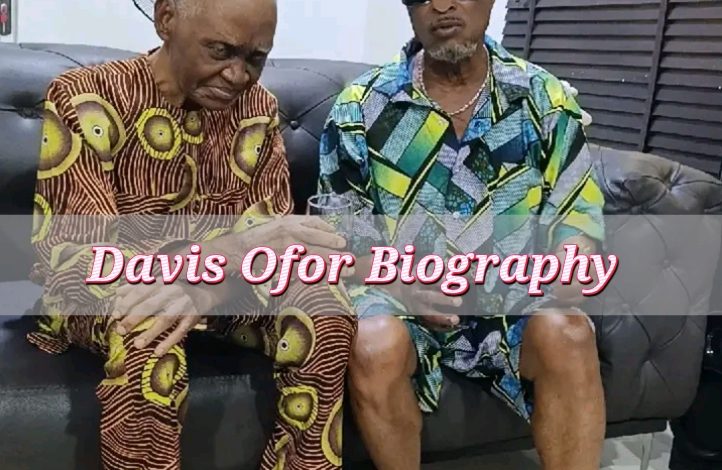
Davis Ofor Biography
Davis Ofor, born in Iseyin in Oyo State, Nigeria, is a Nigerian veteran actor and clergyman widely recognized for his memorable performance as Clarus, the wide-eyed and comical houseboy in the classic television sitcom The New Masquerade. This role made him a household name across Nigeria during the 1980s and 1990s, as the show blended humor with social commentary and became one of the longest-running and most beloved programs on Nigerian television. Ofor later transitioned from entertainment to full-time spiritual ministry, where he serves as a reverend in the Aetherius Society, teaching principles of karma, reincarnation, and cosmic wisdom from his base in Aba, Abia State.
His journey reflects a deep personal calling that ultimately led him away from the spotlight of comedy. Despite facing visual impairment in later years, Ofor continued his work as a minister, preaching weekly and guiding communities in Eastern Nigeria. Today, he stands as a symbol of resilience, cultural impact, and spiritual dedication, leaving a lasting legacy in both Nigerian entertainment and alternative spiritual thought.
Davis Ofor Early Life
Davis Ofor was born on 30 September in Iseyin, Oyo State, Nigeria. He grew up in a period marked by Nigeria’s post-independence developments and the cultural shifts following the Nigerian Civil War. From a young age, Ofor showed an early interest in spiritual matters. As a secondary school student, he expressed a strong desire to switch to a seminary school and become a Reverend Father. His father initially supported the idea, but later withdrew approval upon learning that Catholic priests were not permitted to marry. This early experience planted seeds of spiritual curiosity that would influence his life decisions many years later.
Ofor’s formative years in Oyo State exposed him to the rich cultural traditions of the Yoruba people, even as he later built his career in Enugu, in the eastern part of the country. These early influences helped shape his understanding of community, morality, and performance, skills that would serve him well in his acting roles. Though details of his childhood remain private, his path clearly pointed toward creative and service-oriented pursuits rather than conventional professions.
Davis Ofor Education
Ofor attended secondary school in Nigeria, where his academic life intersected with his growing interest in religious service. During this time, he actively considered entering seminary training to pursue a life in the clergy. Although that specific plan did not materialize due to family concerns about celibacy requirements, the experience left a lasting impression. It highlighted his innate draw toward spiritual leadership and moral teachings, themes that resurfaced strongly in his adult life.
His education provided a foundation in communication and performance, which proved valuable when he later joined the Nigerian Television Authority as a scriptwriter, comedian, and producer. Ofor did not pursue formal higher education in theatre or ministry at that stage, but practical experience in broadcasting and live performance became his real training ground. This hands-on approach allowed him to develop the timing, wit, and stage presence that defined his on-screen persona.
Davis Ofor Career
Davis Ofor’s professional career began in the entertainment industry with the Nigerian Television Authority in Enugu. He was employed as a scriptwriter, comedian, and producer for the groundbreaking sitcom The New Masquerade. The show originated as a radio segment called Masquerade on the East Central State Broadcasting Corporation shortly after the Nigerian Civil War. It was designed to bring laughter and relief to a nation recovering from conflict. By the mid-1970s, it had moved to television, airing on Tuesday nights from 8:30 pm to 9:00 pm on the Nigerian Television Network. It ran successfully until the mid-1990s, making it one of Nigeria’s longest-running sitcoms.
In the series, Ofor portrayed Clarus Mgbeojikwe, one of the two houseboys working for the central character, Chief Zebrudaya Okoroigwe Nwogbo, played by Chika Okpala. Clarus, alongside Giringory Akabogu played by James Iroha, added humor through their interactions, pidgin English dialogue, and everyday mishaps in the chief’s household. The show featured a mix of Igbo, Yoruba, and other cultural elements, using comedy to address societal issues such as family dynamics, ambition, and moral lessons. Plots often unfolded in the chief’s sitting room, blending melodrama with light-hearted situations that resonated with viewers across ethnic lines. Ofor’s wide-eyed expressions and timing made Clarus an instant fan favorite, helping the program maintain popularity even after the original creator stepped back.
During production in 1989, Ofor traveled to London for medical reasons. There, he was ordained as a minister in the Aetherius Society, also known as the Aetherius Temple or Church. Founded in 1955 by Dr. George King in England, the organization promotes teachings from cosmic masters, including concepts of reincarnation, karma, and interplanetary spiritual guidance. Although Ofor received a mandate to establish activities in Nigeria upon his return, he initially balanced this new role with his comedy work on a part-time basis. His commitment to acting kept him engaged with The New Masquerade for several more years.
By around 2002, Ofor felt a stronger pull toward full-time ministry. He interpreted his developing visual impairment as a karmic signal to focus on spiritual service rather than entertainment. He stepped away from comedy entirely, viewing his earlier career as temporary entertainment for the world while his ministerial work offered lasting truths for this life and beyond. In Nigeria, he became the minister in charge of the Eastern branches of the Aetherius Society, overseeing groups in Aba, Lagos, Benin, Warri, and other areas. He continues to lead services, teach lessons on karma and cosmic history, and record or share transmissions from spiritual masters.
Ofor’s career shift did not diminish his status as a veteran of Nigerian television. The New Masquerade remains a cultural touchstone, often replayed or referenced in discussions of classic Nigerian sitcoms. His portrayal of Clarus contributed to the show’s success in promoting ethnic integration and moral education through humor. Even after leaving acting, Ofor’s influence endures among fans who grew up watching the series.
Davis Ofor Achievements
Davis Ofor achieved significant recognition through his role in The New Masquerade, where he helped create one of Nigeria’s most iconic television programs. The sitcom entertained millions, fostered national unity after the civil war, and introduced memorable characters that still spark nostalgia today. Ofor’s work as a scriptwriter, producer, and performer demonstrated versatility and creativity in an era when local content was central to Nigerian broadcasting.
In his spiritual career, Ofor has served as a minister for over three decades, building and sustaining branches of the Aetherius Society in Nigeria. He has guided hundreds of followers through teachings on karma, reincarnation, and the nine freedoms outlined by cosmic masters. Despite complete loss of sight for more than twenty-five years, he has preached every week without interruption, viewing his condition as a lesson rather than a limitation. His commitment to sharing recorded messages from figures such as Jesus, Buddha, and others through the society’s channels represents a unique contribution to alternative spiritual thought in Nigeria. Ofor’s life illustrates how public fame can evolve into quiet but profound service.
Davis Ofor Personal Life
Davis Ofor maintains a private personal life centered on family and spiritual practice. He is married and has five children. He often shares examples from his family to illustrate reincarnation and karma. For instance, he believes his second son, born in Enugu after the civil war, is the reincarnation of his own father, John. The child reportedly revealed this connection in a spontaneous moment to his mother. Similarly, Ofor’s daughter Olanma is understood to be the reincarnation of his grandmother, confirmed through dreams in which the grandmother appeared eager to visit Enugu.
These personal experiences reinforce Ofor’s teachings on the law of karma, which he describes as a natural process of reaping what one sows, either in this lifetime or future ones. Karma, in his view, serves as a teacher rather than a punisher, encouraging better actions without erasing past deeds through simple forgiveness. Ofor resides in Aba, Abia State, where he balances family responsibilities with his ministerial duties. His visual impairment has not isolated him; instead, it has deepened his focus on inner vision and service to others. He remains connected to former colleagues from the entertainment world, as seen in recent visits from actors who express admiration for his enduring impact.
Conclusion
Davis Ofor’s life traces a remarkable arc from beloved comedian to dedicated spiritual teacher. His iconic role as Clarus brought joy and reflection to generations of Nigerians through The New Masquerade, while his later work in the Aetherius Society offers guidance on deeper questions of existence, karma, and cosmic purpose. Through challenges including visual impairment, he has demonstrated unwavering commitment to what he sees as his true calling. Ofor’s story reminds readers that careers may change, but purpose and service endure. As both an entertainer and a minister, he leaves a legacy of laughter, wisdom, and resilience that continues to inspire.
FAQs
Who is Davis Ofor?
Davis Ofor is a Nigerian actor and reverend best known for playing the character Clarus in the long-running television sitcom The New Masquerade. He later became a full-time minister in the Aetherius Society and continues to teach spiritual principles from Aba, Nigeria.
What is Davis Ofor famous for?
He is famous for his comedic role as Clarus Mgbeojikwe, the houseboy in The New Masquerade, a popular Nigerian sitcom from the 1970s to the 1990s that entertained audiences with humor and moral lessons.
Why did Davis Ofor leave comedy?
He left comedy around 2002 to focus fully on his calling as a minister in the Aetherius Society. He views his visual impairment as a karmic nudge to prioritize spiritual work over entertainment, which he considers temporary compared to eternal truths.
What is the Aetherius Society?
The Aetherius Society is an international spiritual organization founded in 1955 by Dr. George King. It teaches reincarnation, karma, and messages from cosmic masters including Jesus and Buddha. Ofor serves as a minister leading branches in Eastern Nigeria.
Does Davis Ofor have children?
Yes, Davis Ofor has five children. He has shared personal stories about reincarnation involving members of his family to illustrate his spiritual beliefs.
Is Davis Ofor still active today?
Yes, as of recent accounts, Rev. Davis Ofor remains active in his ministry in Aba. He preaches weekly despite visual challenges and receives visits from fellow actors who celebrate his contributions.
What are Davis Ofor’s views on karma?
He teaches that karma is the law of cause and effect where every action brings corresponding results in this life or the next. It functions as a teacher, not punishment, and cannot be erased simply by forgiveness or repentance.