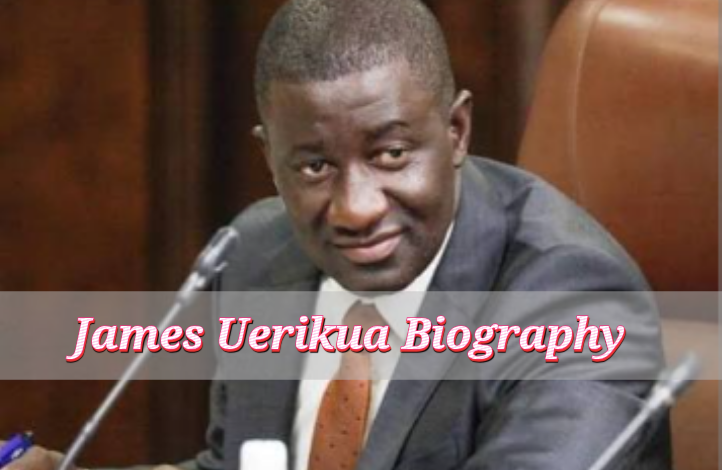
James Uerikua Biography
James Unomasa Uerikua was a dedicated Namibian politician and public servant. He served his country with distinction as a regional governor, development planner, and member of parliament. A member of the South West Africa People’s Organisation (SWAPO), Uerikua rose through the ranks of government service, focusing on practical development, agricultural improvement, and regional growth. His work touched many lives in Otjozondjupa Region and across Namibia, where he became known for his calm leadership, community engagement, and commitment to nation building. Tragically, he passed away at the age of 43 in a road accident, leaving behind a legacy of service that continues to inspire young leaders in Namibia.
Uerikua embodied the values of hard work and public duty that define many in Namibia’s post-independence generation. Starting from grassroots roles in agriculture, he advanced to high-level planning positions and ultimately represented his region and country at the national level. His career reflected a steady commitment to improving the lives of ordinary Namibians through better infrastructure, education, and economic opportunities. Even as he took on more senior responsibilities, he remained approachable and focused on results that mattered to communities.
James Uerikua Early Life and Background
James Unomasa Uerikua was born on 2 August 1982 in Namibia. Details of his earliest childhood remain private, but he completed his secondary education at Immanuel Shifidi High School in Windhoek, earning his Grade 12 Cambridge Certificate in 2002. This foundation in the capital city shaped his early outlook and prepared him for further studies. He went on to pursue higher education with a clear focus on practical fields that could contribute directly to national development.
Uerikua earned a National Diploma in Agricultural Science from the University of Namibia’s Neudamm Campus in 2005. This qualification equipped him with hands-on knowledge of farming systems, land management, and rural development, skills that would prove valuable throughout his career. He later completed a Certificate in Middle Management Development Programme from the Southern Business School in Namibia in 2013. In 2017, he obtained a Master of Business Administration degree from the Management College of Southern Africa in South Africa. Most recently, in 2025, he achieved a Master of Law (LLM) in International Business Law from the University of Cumbria in Switzerland. He also held a Certificate of Participation in Indigenous Peoples Rights from the University of Pretoria in South Africa.
These educational steps show a deliberate path toward combining technical expertise with leadership and international perspectives. Growing up in a newly independent Namibia, Uerikua belonged to a generation that witnessed rapid changes in the country’s governance and economy. His early exposure to education in Windhoek and his agricultural training connected him closely to both urban and rural realities, giving him insight into the challenges faced by different parts of Namibian society. Family ties also played a role in shaping his character. His brother, Michael Uerikua, has spoken publicly about being inspired by James’s example of public service and community focus. This family influence reinforced Uerikua’s drive to serve others rather than seek personal gain.
James Uerikua Career
James Unomasa Uerikua began his professional journey in the public sector shortly after completing his diploma. From 2006 to 2010, he worked as an Extension Technician in the Ministry of Agriculture, Water and Forestry. He served in locations including Maltahohe, Mariental, and Epukiro Agricultural Development Centre. In these roles, he supported farmers directly by providing advice on crop production, livestock management, and sustainable land use. This grassroots experience gave him first-hand understanding of rural livelihoods and the importance of effective extension services in remote areas.
In 2010, Uerikua moved into development planning. He served as a Development Planner in the Ministry of Lands and Resettlement in Gobabis until 2012. There, he helped coordinate land reform initiatives and resettlement programmes that aimed to address historical imbalances and promote equitable access to land. His next position, from 2012 to 2014, was Principal Development Planner in the Office of the Prime Minister in Windhoek. This central role involved higher-level coordination of national projects and policy implementation across government departments.
From 2014 to 2020, he advanced to Chief Development Planner in the Office of the Vice-President. In this capacity, he contributed to strategic planning efforts that supported broader government priorities, including poverty reduction and regional development. These years of experience in planning offices prepared him well for leadership at the regional level. In 2020, President Hage Geingob appointed him as Regional Governor of Otjozondjupa Region, based in Otjiwarongo. He held this position until 2025, becoming a familiar and respected figure in the region. As governor, Uerikua oversaw efforts to improve infrastructure, health services, education, and economic opportunities. He regularly engaged with traditional authorities, residents, and stakeholders to address local concerns. His state of the region addresses highlighted progress in areas such as road maintenance, water supply, and support for small-scale businesses. He also participated in community events, including Christmas outreach programmes that distributed aid to vulnerable families in settlements like Gam.
In 2025, Uerikua transitioned to national politics when he became a Member of Parliament in the National Assembly, serving until his passing. He represented SWAPO and was appointed Chairperson of the Standing Committee on International Relations, Defence and Security. In this role, he contributed to parliamentary oversight on foreign policy, national security, and defence matters. He also represented Namibia in international forums, including the Inter-Parliamentary Union, where he discussed issues such as global peace, security, and the lifting of economic sanctions affecting African nations. Throughout his career, Uerikua maintained a reputation for thoughtful debate, constructive engagement, and a focus on practical solutions. Colleagues described him as a hardworking and approachable leader who listened carefully and worked across party lines when needed.
His achievements included advancing development projects in Otjozondjupa, strengthening regional governance, and bringing regional perspectives to national policy discussions. As chairperson of a key parliamentary committee, he helped shape Namibia’s positions on international relations at a time when global issues increasingly affected the country. Uerikua’s progression from extension technician to parliamentarian demonstrated steady professional growth grounded in education, experience, and dedication to public service.
James Uerikua Personal Life
James Unomasa Uerikua was a family man who balanced demanding public responsibilities with private life. He was married and had children, including a 14-year-old son. Tragically, both Uerikua and this son lost their lives in the same road accident. His wife sustained injuries but survived, as did his other children. Friends and colleagues often noted his humility and warmth outside of official duties. He maintained close family connections, and his brother Michael has credited him with inspiring personal and professional growth through example.
Uerikua enjoyed engaging with communities in informal settings, whether through regional events or simple visits to farms and settlements. He valued the cultural heritage of Namibia and supported initiatives that respected indigenous rights, as reflected in his additional training. Although he kept much of his personal life private, those who knew him described a man who remained grounded despite his rising profile in government.
Conclusion
James Unomasa Uerikua leaves behind a record of quiet but impactful service to Namibia. From his early days supporting farmers in remote areas to his final months guiding parliamentary discussions on international affairs, he consistently placed national development and community welfare first. His education, professional experience, and leadership roles made him a bridge between rural realities and national policy. President Netumbo Nandi-Ndaitwah and many parliamentarians expressed deep sorrow at his passing, describing him as a promising young leader whose intellect and commitment will be missed. Tributes highlighted his calm demeanour, constructive contributions, and genuine care for the people he served.
Though his life ended too soon in a tragic road accident on Easter Friday 2026 near the Osire bend between Otjiwarongo and Okakarara, Uerikua’s legacy endures in the projects he advanced, the communities he supported, and the example he set for future public servants. Namibia remembers him as a dedicated son of the soil who worked tirelessly to build a better country. His story reminds readers that effective leadership often lies in consistent, behind-the-scenes effort rather than public acclaim.
FAQs
Who was James Unomasa Uerikua?
James Unomasa Uerikua was a Namibian politician and public servant who served as Regional Governor of Otjozondjupa and later as a Member of Parliament and chairperson of the Standing Committee on International Relations, Defence and Security.
When and where was James Unomasa Uerikua born?
He was born on 2 August 1982 in Namibia and completed his secondary schooling in Windhoek.
What were James Unomasa Uerikua’s main educational qualifications?
He held a National Diploma in Agricultural Science from the University of Namibia, an MBA from the Management College of Southern Africa, an LLM in International Business Law from the University of Cumbria, and several professional certificates in management and indigenous rights.
What positions did James Unomasa Uerikua hold in government?
He worked as an extension technician in agriculture, development planner in lands and resettlement, principal and chief development planner in the offices of the Prime Minister and Vice-President, Regional Governor of Otjozondjupa from 2020 to 2025, and Member of Parliament from 2025 onward.
How did James Unomasa Uerikua contribute as governor?
As governor, he focused on infrastructure development, service delivery, community outreach, and stakeholder engagement in Otjozondjupa Region, including support for vulnerable families and coordination of regional growth initiatives.
What happened to James Unomasa Uerikua?
He tragically died in a road accident on Easter Friday 2026 along with his 14-year-old son after a suspected tyre burst on the road between Otjiwarongo and Okakarara. His wife and other children survived the incident.
What was James Unomasa Uerikua’s political affiliation?
He was a loyal member of the SWAPO party and represented it in both regional and national government roles.
Why is James Unomasa Uerikua remembered?
He is remembered for his dedication to development, his steady leadership, and his commitment to improving the lives of Namibians through practical public service and thoughtful policy contributions.