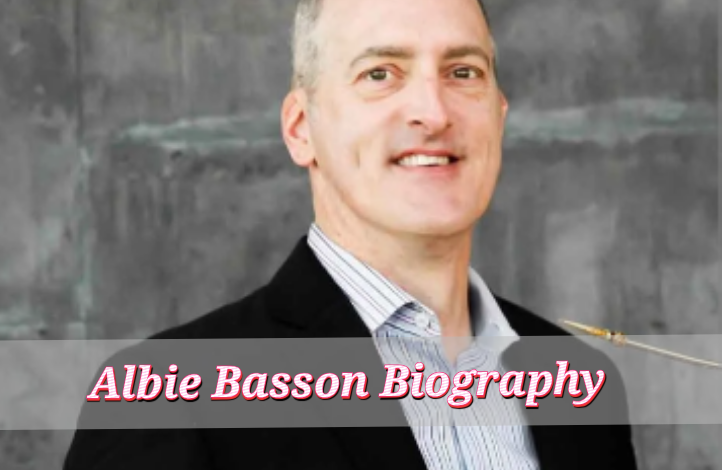
Albie Basson Biography
Albie Basson stands out as a key figure in Namibia’s financial world. He built a career that spans over four decades, starting from basic accounting roles and growing into leadership in investments. His work helped shape how money flows into important projects in Namibia, like farms and buildings. This article looks at his life to show how one person can influence a country’s growth. Readers will learn about his path, the changes he brought, and why his story matters for anyone interested in business in Africa.
Albie Basson Early Life and Education
Albie Basson grew up in a time when Namibia was still under South African rule, before it gained independence in 1990. Born in the mid-20th century, he saw a country rich in resources but facing big challenges in building its own economy. Details about his exact birthplace or family background stay private, as Basson keeps a low profile on personal matters. However, his early years likely sparked an interest in numbers and business, common in families that valued hard work and learning.
For education, Basson trained to become a chartered accountant. This path often starts with studies in accounting, finance, and business law. In southern Africa during the 1970s, many students like him attended institutions linked to South Africa, such as the University of South Africa. He earned his qualifications through rigorous exams from bodies like the South African Institute of Chartered Accountants. This training gave him skills in auditing, which means checking financial records for accuracy, and advising on money matters.
Becoming a chartered accountant requires passing tough tests and gaining practical experience. Basson completed this by working in firms where he learned to handle real-world financial issues. His education focused on ethical practices and understanding how economies work, especially in developing areas like Namibia. This foundation prepared him for a career in a nation transitioning from colonial times to independence. It taught him the value of stable finances in building a strong society.
In those days, education in finance was not just about books. It involved understanding local contexts, like Namibia’s mining and farming sectors. Basson’s learning helped him see how investments could create jobs and boost growth. Today, his story shows young people in Namibia the importance of solid education in fields like accounting. It opens doors to roles that drive economic change. By choosing this path, Basson set himself up to contribute to Namibia’s future after independence.
His early experiences also built resilience. Growing up in a region with political shifts, he learned to adapt. This skill became key in his later work, where he navigated economic ups and downs. Overall, Basson’s early life and education laid a strong base for his achievements, proving that focused learning can lead to big impacts in business.
Albie Basson Career
Albie Basson’s career began in 1979 when he joined KPMG in Namibia. This global firm specializes in auditing and consulting. He started as an entry-level accountant, handling tasks like reviewing company books and ensuring compliance with laws. By 1982, he rose to partner, a senior role where he led teams and advised clients on financial strategies. This quick promotion showed his skill and dedication.
At KPMG, Basson worked during a pivotal time for Namibia. The country was moving toward independence, and businesses needed guidance on new regulations. He helped firms in sectors like mining and agriculture, which are vital to Namibia’s economy. As managing partner, he oversaw operations and built relationships with key players. His role included serving as president of the Institute of Chartered Accountants in Namibia, where he promoted high standards in the profession.
After years at KPMG, Basson sought new challenges. In 2009, he founded Königstein Capital, an independent investment firm in Windhoek. This company focuses on private equity, property, and infrastructure. Private equity means investing in companies not listed on stock markets, often to help them grow. Basson’s vision was to channel funds into Namibian projects that create jobs and build the economy.
Under his leadership, Königstein Capital made significant investments. For example, in 2022, it put N$100 million into the Mashare Blueberry Project. This farm initiative aims to export fruits, creating over 500 permanent jobs and thousands of seasonal ones if expanded. Such projects support Namibia’s agriculture, a sector that employs many people and contributes to exports.
Basson also served on boards to guide larger institutions. In 2012, he joined the Development Bank of Namibia’s board, appointed by the finance minister. This bank provides loans for development projects, like roads and schools. His expertise helped direct funds to areas that boost growth. He chaired committees on finance and risk, ensuring sound decisions.
His contributions extend to innovation. At events like the Development Bank’s awards, Basson highlighted the need for policies that encourage competition. He pushed for recognizing businesses that innovate, helping Namibia compete in global markets.
Over time, Basson stepped back from daily operations at Königstein Capital. He passed leadership to his son, Albert Basson, who became managing partner. Now, Albie acts as a strategic advisor, offering insights from his long experience. This shift allows him to focus on big-picture ideas while the firm continues to invest in Namibia.
Basson’s career impacted Namibia’s economy by attracting investments. His work in private equity helped fund projects that might not get bank loans. For instance, infrastructure investments improve transport and energy, key for business. His efforts align with national goals, like those in Namibia’s development plans, aiming for job creation and poverty reduction.
In the broader African context, Basson’s model shows how local firms can drive growth. He avoided relying on foreign investors alone, instead building Namibian capacity. This approach fosters self-reliance, important for countries like Namibia with natural resources.
His achievements include mentoring the next generation. Through roles at Königstein and boards, he shared knowledge on ethical investing. This helps build a skilled workforce in finance.
Challenges marked his path too. Namibia’s economy faces issues like drought and global price changes. Basson navigated these by focusing on sustainable projects, like agriculture that uses water wisely.
Overall, his career from auditor to investor pioneer demonstrates steady progress. It educates on how finance can serve society, creating value beyond profits.
Albie Basson Personal Life
Albie Basson keeps his personal life private, focusing public attention on his professional work. He lives in Windhoek, Namibia’s capital, where his firm is based. Family plays a role in his story, with his son Albert Basson now leading Königstein Capital as managing partner. Albert, also a chartered accountant, joined the firm and handles daily operations.
Basson has ties to community efforts, though details are limited. In South Africa, another person named Albie Basson serves as board chair for Maranatha Streetworkers Trust in Port Elizabeth. This group helps youth and fights gender-based violence. He won a 2025 citizen award for his work. However, this is a different individual, not the Namibian financier. The Namibian Basson shows no direct links to such philanthropy in available records.
His hobbies and daily life remain out of the spotlight. Like many in finance, he likely enjoys time with family and perhaps travel in southern Africa. His low-key approach contrasts with his high-impact career.
To clarify, other people share the name. One works as finance manager at Shoprite in South Africa. Another is an advocate in Pretoria. These distinctions help avoid confusion when researching.
Basson’s personal choices reflect balance. By stepping back from boards after 2012, he made room for family and reflection. This shows wisdom in prioritizing well-being alongside work.
Conclusion
Albie Basson’s journey from a young accountant in 1979 to founder of a major investment firm inspires many. His work built bridges between finance and real-world needs in Namibia. By investing in projects like blueberries and infrastructure, he helped create jobs and strengthen the economy. His legacy lies in showing how ethical business can drive progress in Africa.
FAQs
What is Albie Basson known for?
Albie Basson is known for founding Königstein Capital in 2009 and his long career in Namibia’s finance sector. He pioneered private equity investments, focusing on property and agriculture to boost the economy.
What is Königstein Capital?
Königstein Capital is an investment firm started by Basson, specializing in unlisted investments like private equity and infrastructure in Namibia. It aims to grow local companies and create jobs.
What is Albie Basson’s background in finance?
Basson began at KPMG Namibia in 1979, becoming partner in 1982. He served as president of the Institute of Chartered Accountants in Namibia and joined the Development Bank board in 2012.
How has Albie Basson contributed to Namibia’s economy?
He invested in projects like the Mashare Blueberry farm, creating jobs and promoting exports. His work supports agriculture and infrastructure, aligning with national development goals.
Are there multiple people named Albie Basson?
Yes, one in South Africa works at Shoprite as finance manager. Another leads community work at Maranatha Trust. The Namibian one focuses on investments.
How old is Albie Basson?
Based on starting his career in 1979, he is likely in his late 60s or early 70s as of 2026. Exact age is not public.
What is Albie Basson’s net worth?
Net worth details are private, but his investments in firms like Königstein suggest substantial wealth from finance. No official figures exist.
Where is Albie Basson from?
He is from Namibia, based in Windhoek, where he built his career post-education.
What are Albie Basson’s major achievements?
Key achievements include founding Königstein Capital, board service at Development Bank of Namibia, and investments creating jobs. He shaped financial standards as institute president.
What is Albie Basson’s personal background?
He keeps it private, but his son Albert leads the family firm. He focuses on work-life balance after stepping from active roles.